 LoginSchedule demoLoginSchedule demo
According to a 2015 survey by Jobvite, 92% of recruiters use social media for recruiting. Here's how you can use social media recruiting to your advantage.

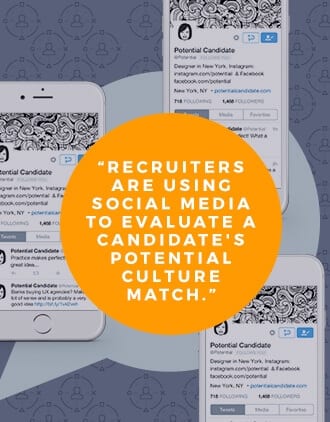
According to a 2015 survey by Jobvite, 92% of recruiters leverage social media for recruiting. Employers search Facebook, LinkedIn and Twitter for top-notch candidates to fill hard-to-place roles.
Companies also use social media to connect with and screen potential applicants.
Those that do manage to develop a system for identifying, engaging and recruiting rockstar job candidates on social media have a competitive advantage.
This is especially true as more organizations realize the importance of targeting passive candidates which allows them to be more selective throughout the hiring process and to shorten the hiring cycle.

In an article for Entrepreneur, Joe Budzienski, vice president of product and technology at Monster, states, “Every month 288 million people use Twitter, 300 million use Instagram and 890 million a day use Facebook. Social platforms, with the largest audiences available, have become marketing platforms, and not just for clothes and kitchen appliances. Hiring managers and recruiters are increasingly turning to the social web to market their companies to job seekers.”
Indeed, social media platforms make it easy to find talented labor. Furthermore, social media provides employers with an additional layer of information that is generally absent from a potential candidate’s resume or cover letter.
For CIO, Sharon Florentine explains, “Social media allows not only information about a candidate’s experience and skills, but a better glimpse into their lifestyle, values and their cultural fit, which is crucial for companies looking not just to recruit and hire, but also to engage employees and improve retention rates… Recruiters are using social media to evaluate a candidate’s potential culture match. The emphasis on cultural fit is a major reason recruiters are doubling down on social media as a tool.”
For brands, social media is an invaluable tool for hiring. Below, we have outlined the three major steps every business should take to develop an effective social media recruiting process.
On Facebook, Twitter and LinkedIn, recruiters can search for talented job candidates based on their interests, experiences, skills, location, and job title.
While some of the keywords you would use to find the right professionals are obvious, one of the less common ways to narrow down your search is by filtering your results based on specific associations or groups candidates belong to.
Similarly, you may choose to exclude or include prospects based on the brand pages they like or follow. For example, employers looking to hire junior marketers may want to search for candidates who follow Seth Godin’s blog and HubSpot on Twitter.
To source talent who demonstrate enthusiasm for their trade, hiring managers can evaluate the content social media users share.
Cristin Sturchio, global head of talent at Cognolink, tells CIO, “This tells us that they are engaged and active in their profession, and are likely to be engaged and active as one of our employees.
You can’t find that kind of information on a resume, and if you can, it often gets lost in more pressing details.” When scanning a person’s public social media profiles, ask yourself:
Additionally, brands may leverage social media to gather intel on candidates from individuals in their network.
For instance, if you notice that Joe, who you want to hire, is friends with Lisa, one of your coworkers, on Facebook, you can ask Lisa about Joe’s candidacy.
Before you start reaching out to mutual connections, you may also scan public conversations a job candidate may be having with people in his or her network and around the web.
A hiring public relations firm, for example, may find it favorable if it sees a job candidate casually coordinating lunch plans with writers from The New York Times and Businessweek over Twitter.

Of course, social media does not have to be a purely outbound social media recruiting tool. To prompt fans and followers to apply to open positions, you may advertise new job opportunities.
Post about recent openings and plug direct links to application pages in your social media posts. Use #hashtags to attract a wider audience and add a “Careers” tab to your brand page on Facebook. For reference, Nestlé titles its “Careers” tab as “JOB SEARCH.”
After you build a list of candidates you want to potentially interview and hire, you will want to initiate contact with each of them.
Directly message them or mention them in your social posts to get their attention.
But avoid starting every conversation with an invitation to interview with you. Instead, use social media to court potential job applicants.
Stir up an intellectual conversation about an article they recently shared or current trends in their industry. Gauge their competence. Then, get them interested in your brand.

Share content that gives them insight into your firm’s workplace culture. For Monster.com, human resources and social media expert Chris Ferdinandi lists seven things brands can post on social media to attract high-quality job candidates:
If, after a few interactions, you come to like a certain candidate and notice that he or she is not only cordial but engaged with your conversations, you may finally invite that person to an interview.
If, by chance, you discover that this is an individual that ultimately does not have the right qualifications for the job or he or she demonstrates disagreeable behaviors, then you can cross that person off your list and move onto the next candidate.
After you invite someone for an interview, do not stop nurturing that lead. Before they arrive at your office, be sure to point them to materials they may use to prepare.
While some recruiters may frown upon the idea of coaching job applicants, the benefits of doing so are hard to ignore.
For one, you demonstrate your enthusiasm for that person’s candidacy which may cause them to work even harder to impress the hiring manager at your firm.
This may also serve as a test to see how serious your candidate is about the job; if they review the materials, you will know and if they don’t, you may end their candidacy there.
Therefore, you will want to continue to share information about what life is like for you and your colleagues on your brand’s social media accounts.
Use social media to introduce a job applicant to other members on your team too.
Laurel Ganem, a human resources specialist, recommends, “Pair the candidate with someone they’d be working closely with so they can build rapport and ask questions.
Meeting the team involves the candidate in a more unique and genuine way than a regular or panel interview, and can help foster positivity and respect.”
After the interview, engage your applicant with more branded content on social media.
If you do decide to provide that applicant with a job offer, your consistent social media recruiting efforts may influence them to accept the job position.
In fact, Spherion Staffing Services published a report in 2013 which noted, “According to the Emerging Workforce Study, nearly half (47%) of workers strongly agree/agree that when they consider new employment, a company’s online reputation will be equally as important as the offer they are given.”
With social media, businesses can take a more personal approach to recruiting the talent they need to grow.
Even if you regularly receive thousands of applications every time you publish a new job opening, recruiters may find even better candidates when they actively seek out professionals with the experience, personality and skills they desire.
Todd served as Director of Marketing at EveryoneSocial, leading content strategy and editorial across the blog through 2021. Today he is Head of Content & Brand at RemoFirst, founder of Linkeezy (an inbox and content tool for LinkedIn), and a SaaS marketing and content advisor.
See the platform that comms, marketing, and compliance teams use to run their advocacy program.
